How Our Car Lockout Unlock Service Actually Works
When you call us for a car lockout, the first thing we do is confirm your exact location and vehicle details — make, model, year, and door configuration. That information matters because modern vehicles vary significantly in how their door linkages, lock rods, and weather-seal gaps are arranged. A slim-jim tool that slides cleanly alongside the window seal of a 2008 Ford F-150 behaves very differently from the long-reach wedge-and-rod approach needed on a 2020 Honda CR-V with its tighter door frame tolerances. Knowing your car before we arrive means we load the right tools and reach you faster.
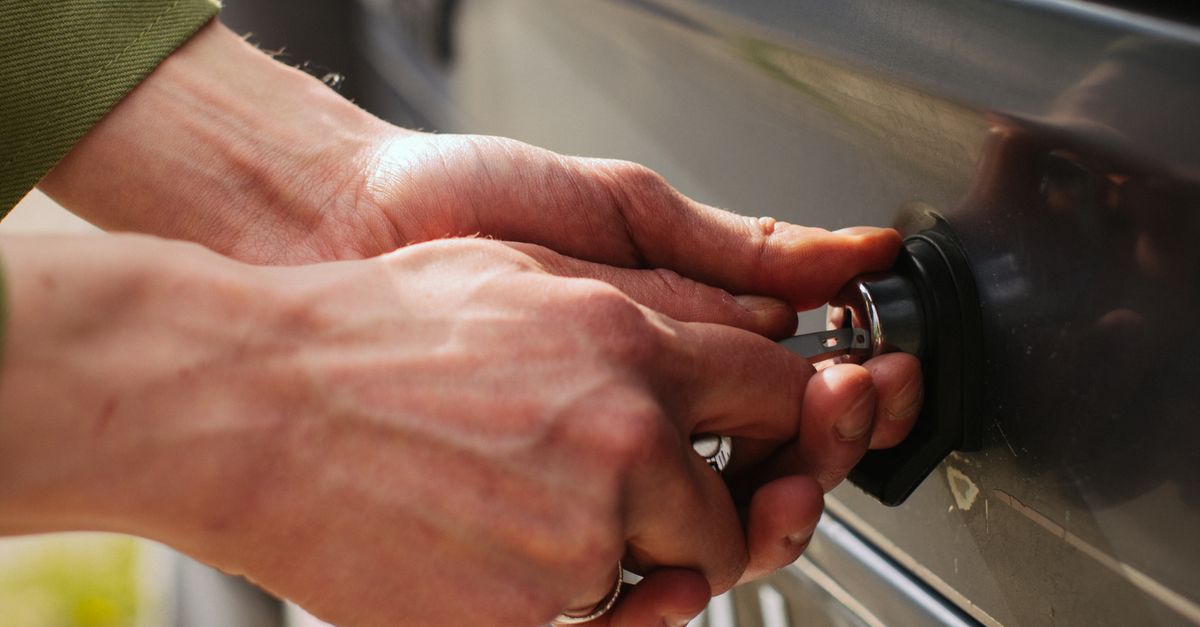
Once on site, our technician verifies ownership — we may ask to see your registration or ID before beginning work, because responsible, ethical car lockout service always starts with confirming the vehicle belongs to the person requesting entry. We then assess the gap between the door frame and body, the position of the internal lock button or linkage rod, and whether any factory weatherstripping could create a pinch risk. Where conditions allow, the slim-jim rod is worked carefully alongside the glass to contact and actuate the door's interior rod or linkage lever directly. For vehicles where the door frame gap is too tight or the lock mechanism is positioned away from the glass channel, an inflatable air wedge creates a controlled opening large enough to insert a long-reach tool that can press power-lock buttons or pull manual linkages. Neither method requires breaking glass or forcing the door — our goal is always a damage-free unlock when the vehicle's design permits it.